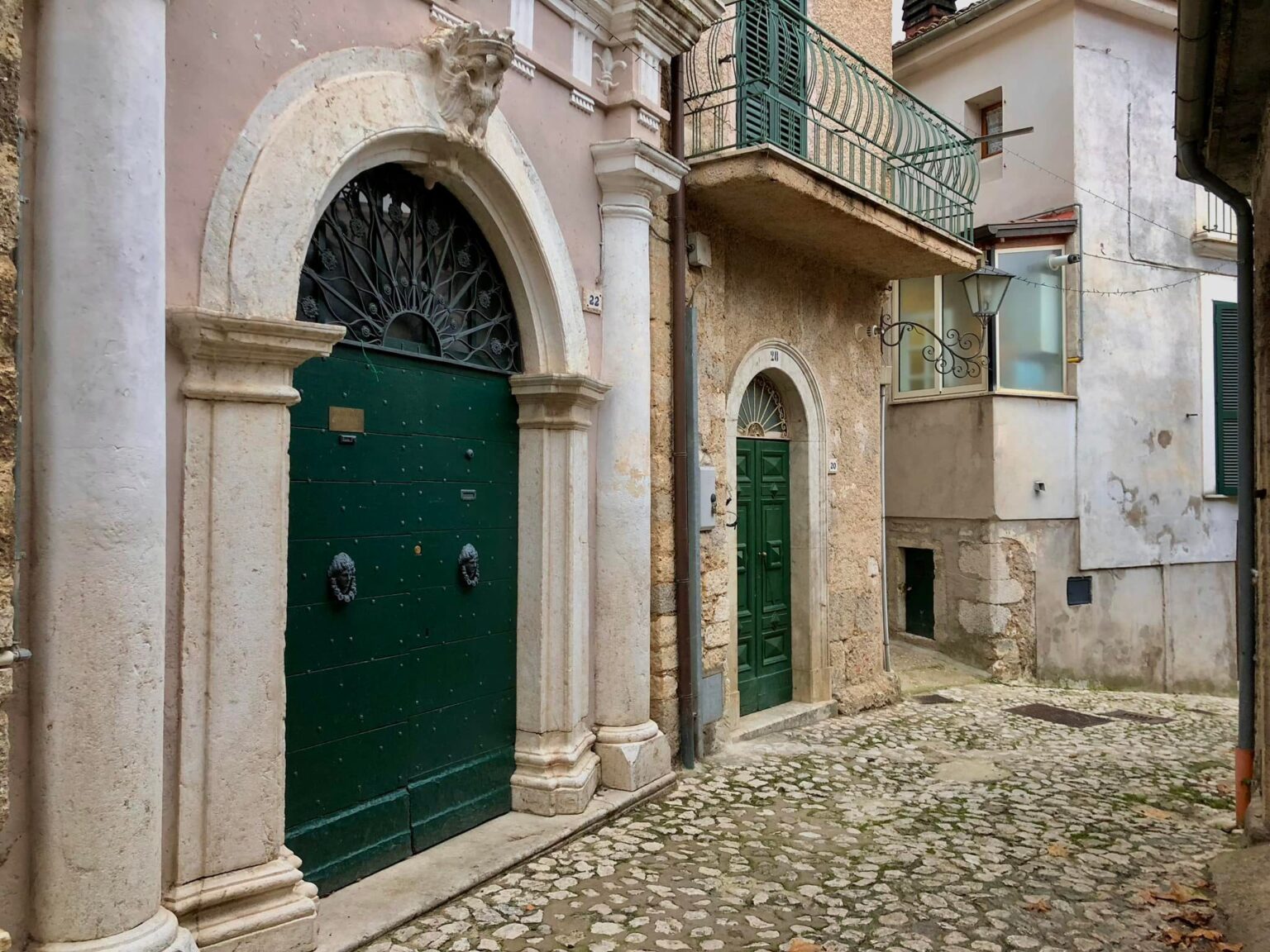
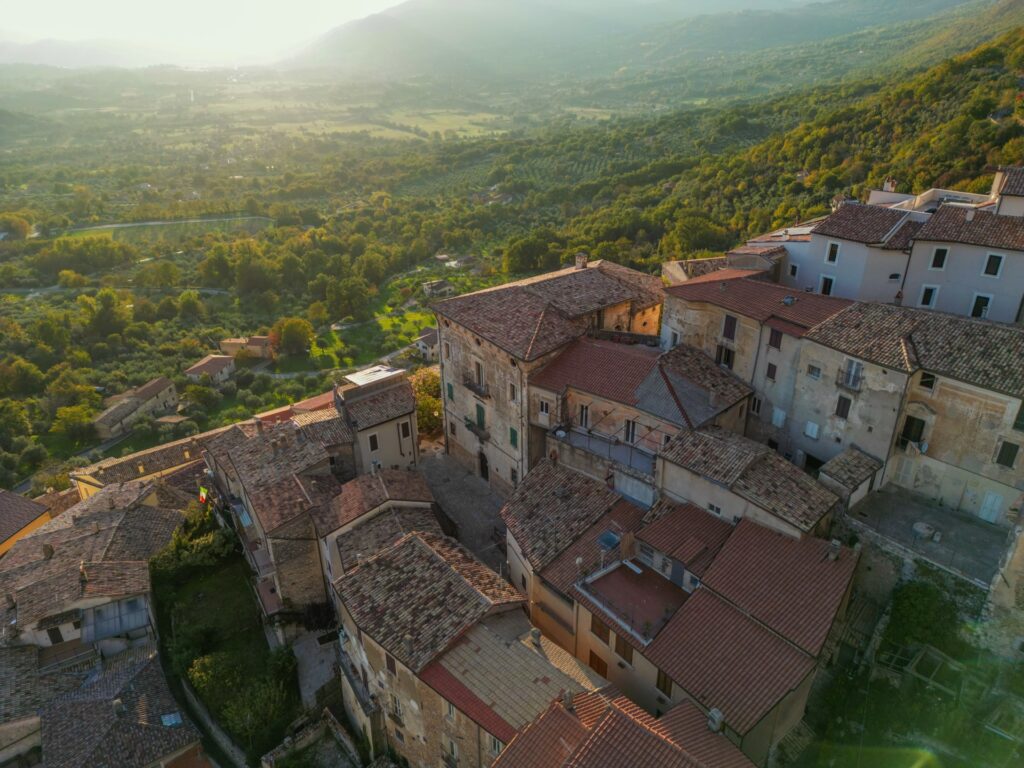
With a double-headed eagle guarding it, made by Sandonese stonemasons, Palazzo Rufo (now Tata-Perrelli) is an interesting Habsburg trace in southern Italy. Its origins date back to the two decades of Austrian rule in the Kingdom of Naples (1714-1734). Inside the palace, in addition to the classical architecture, you can see the cell where unfortunate prisoners were locked up.
The death of Charles II brought about the end of the Spanish branch of the Habsburgs and the ascension to the Spanish throne of a French Bourbon, Philip V. Reasons that determined the Austrian attack and conquest of Milan and Naples. The changed political climate also affected San Donato, so much so that it was decided to construct a building that would allow, even in the small town, the regular performance of the military and administrative functions of the new government. With the Bourbon-Spanish reconquest of Naples (1734), the building became the Bourbon Intendancy, carrying out purely administrative tasks.
In 1860, with the arrival of the Garibaldini, the palace was "besieged," and the notary Domenico Rufo, an official of the Kingdom, and his brother Don Gaetano, who, given his venerable age, was hauled off to prison in a chair, in the manner of a "papal procession," were arrested.
In 1915 the palace suffered severe damage from the devastating Avezzano earthquake, which caused the collapse of the frescoed vaults of the staircase. Despite these events, the Tata-Perrelli Palace remains a historical landmark where the complex historical events of the Kingdom of Naples come alive.
 Italiano
  English
 Français
 Español
 Português