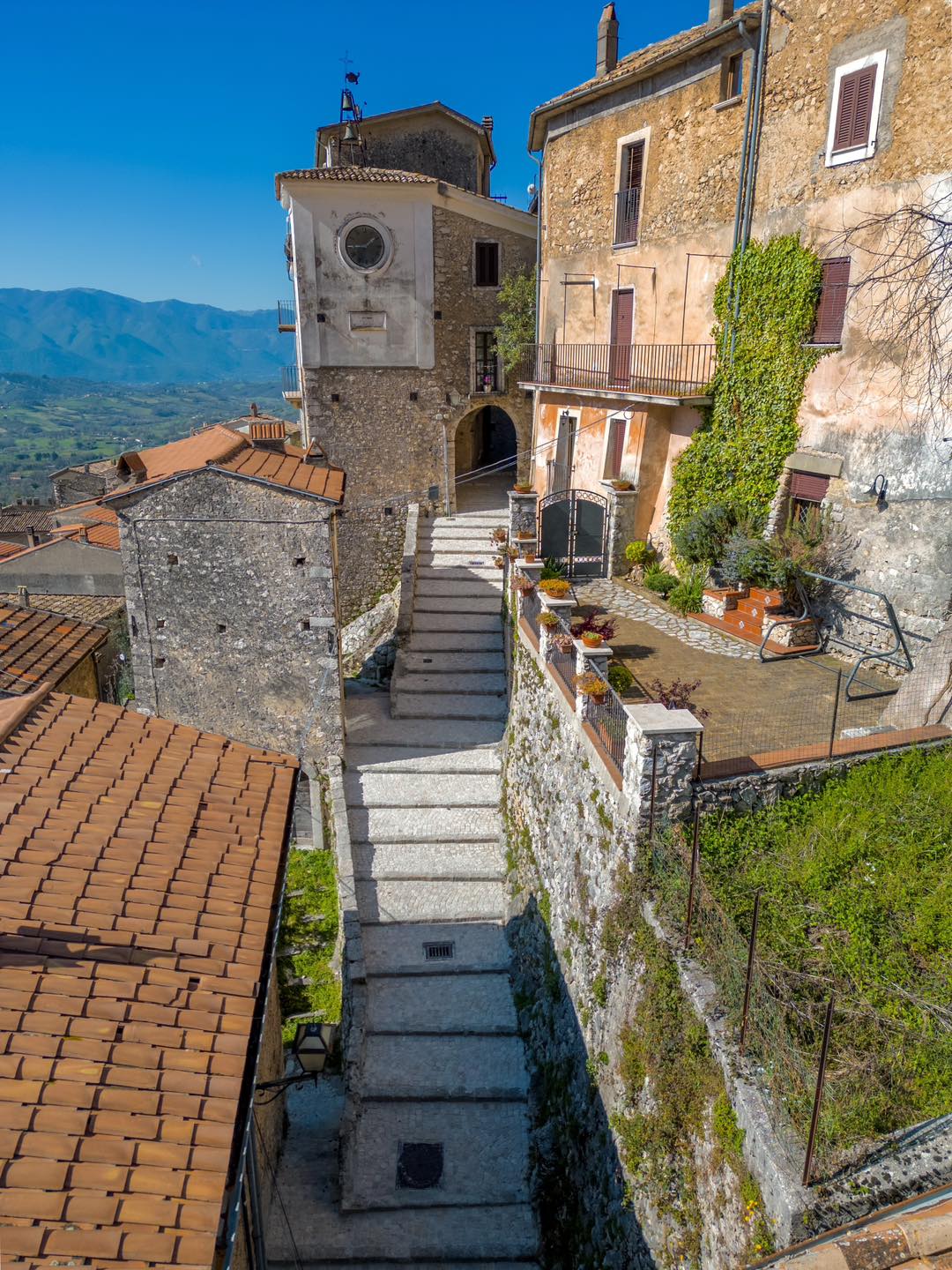
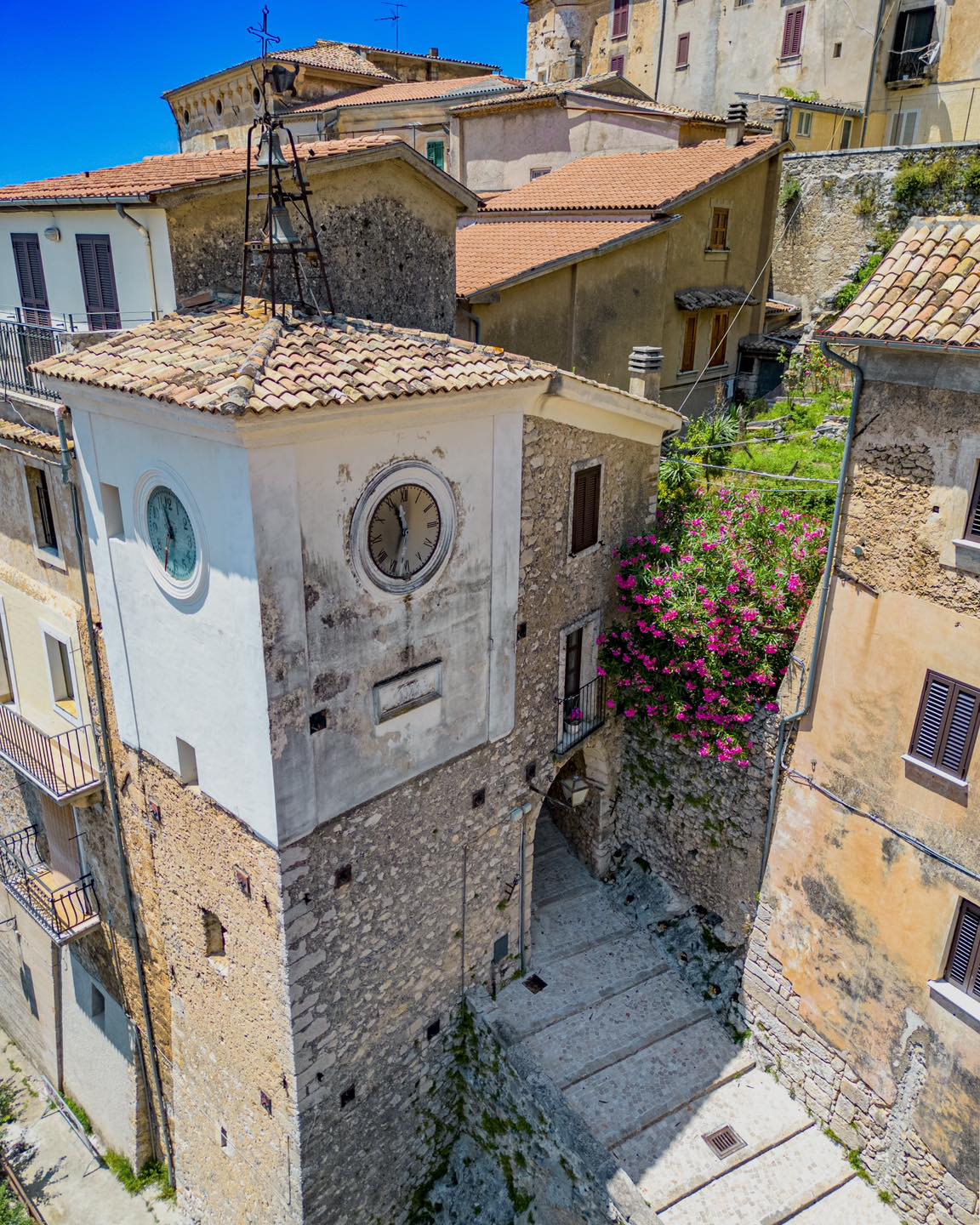
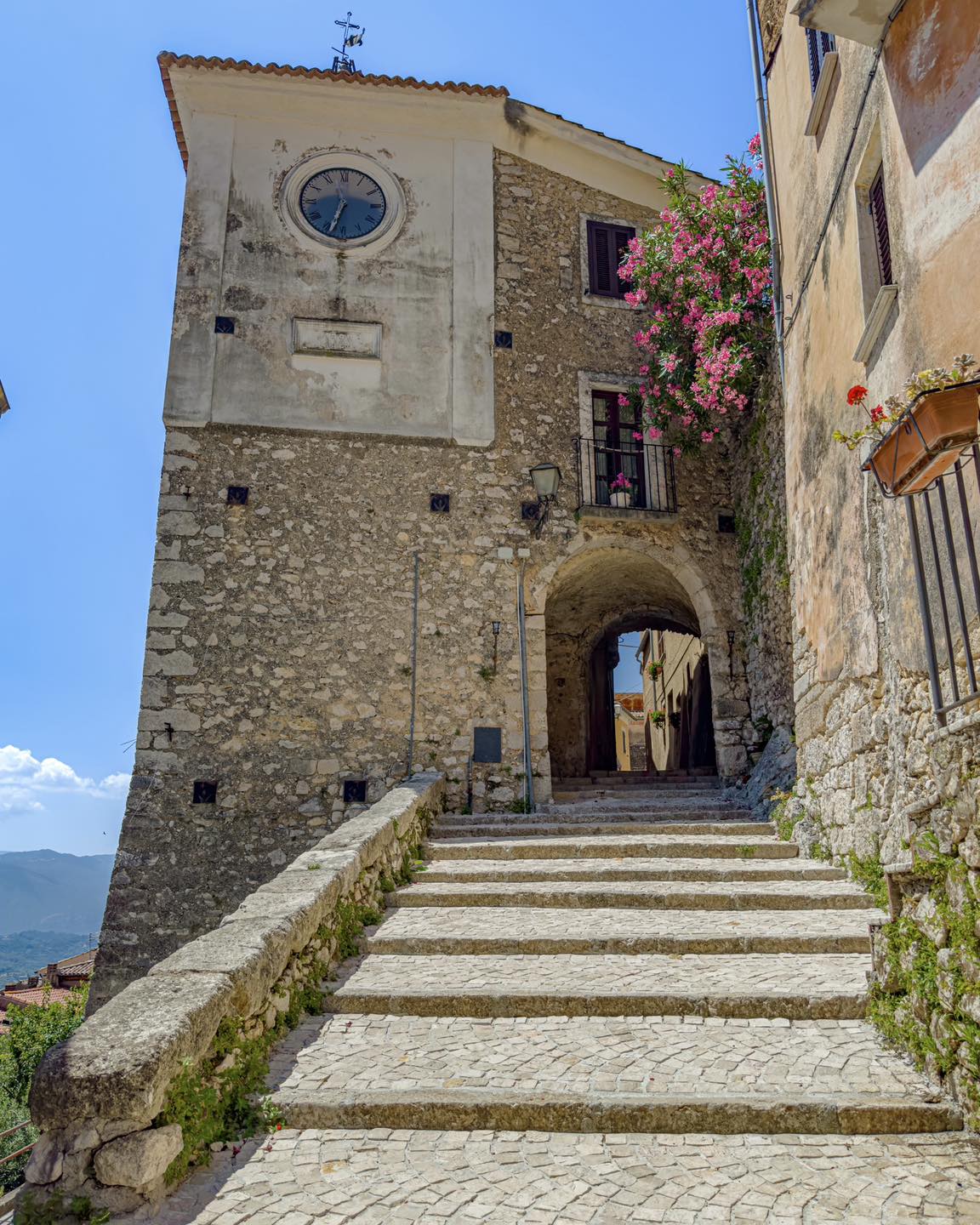
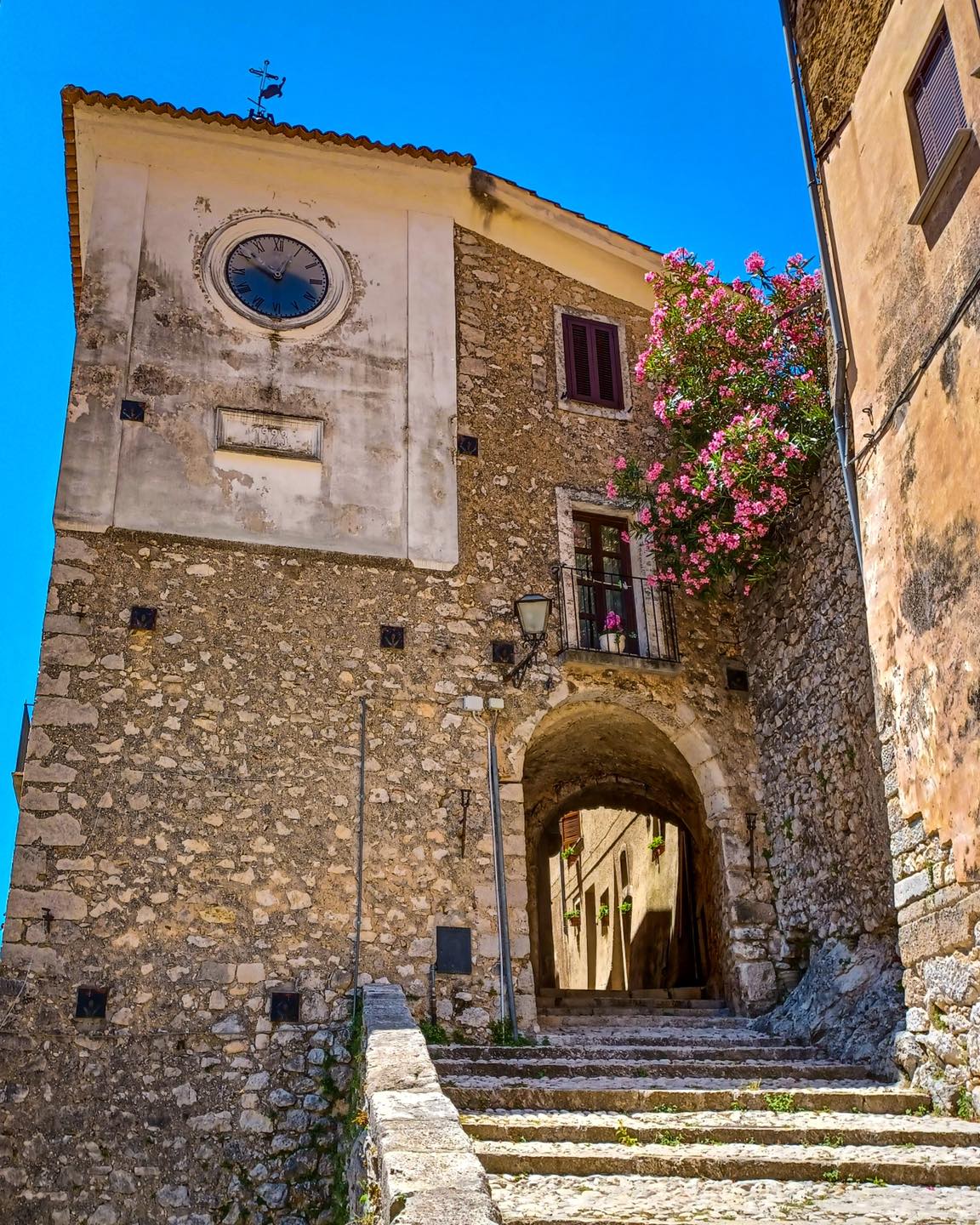
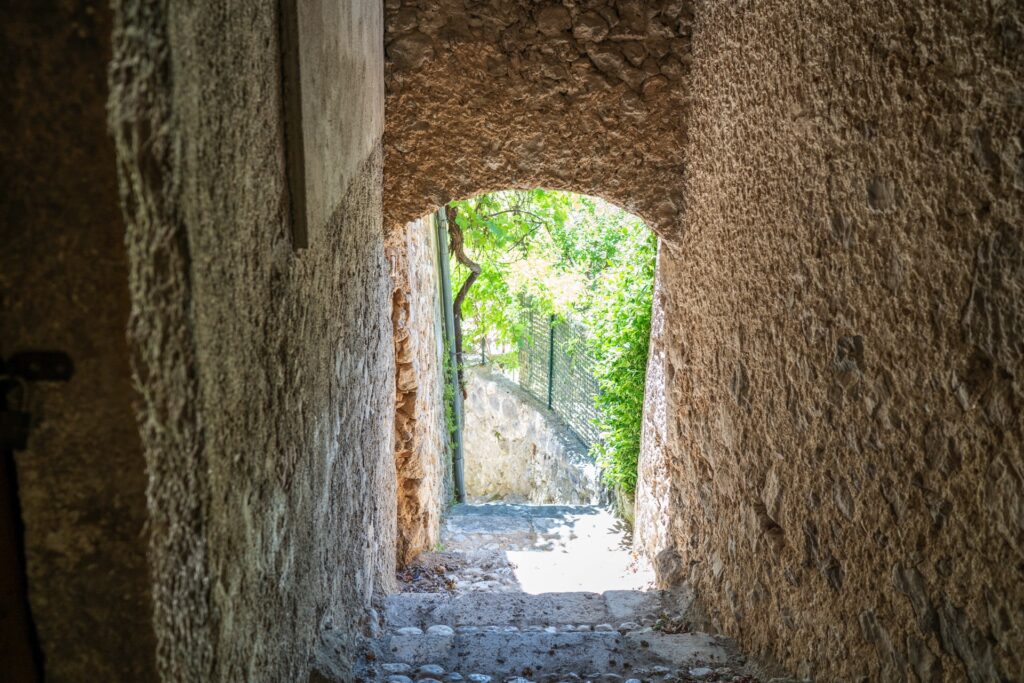
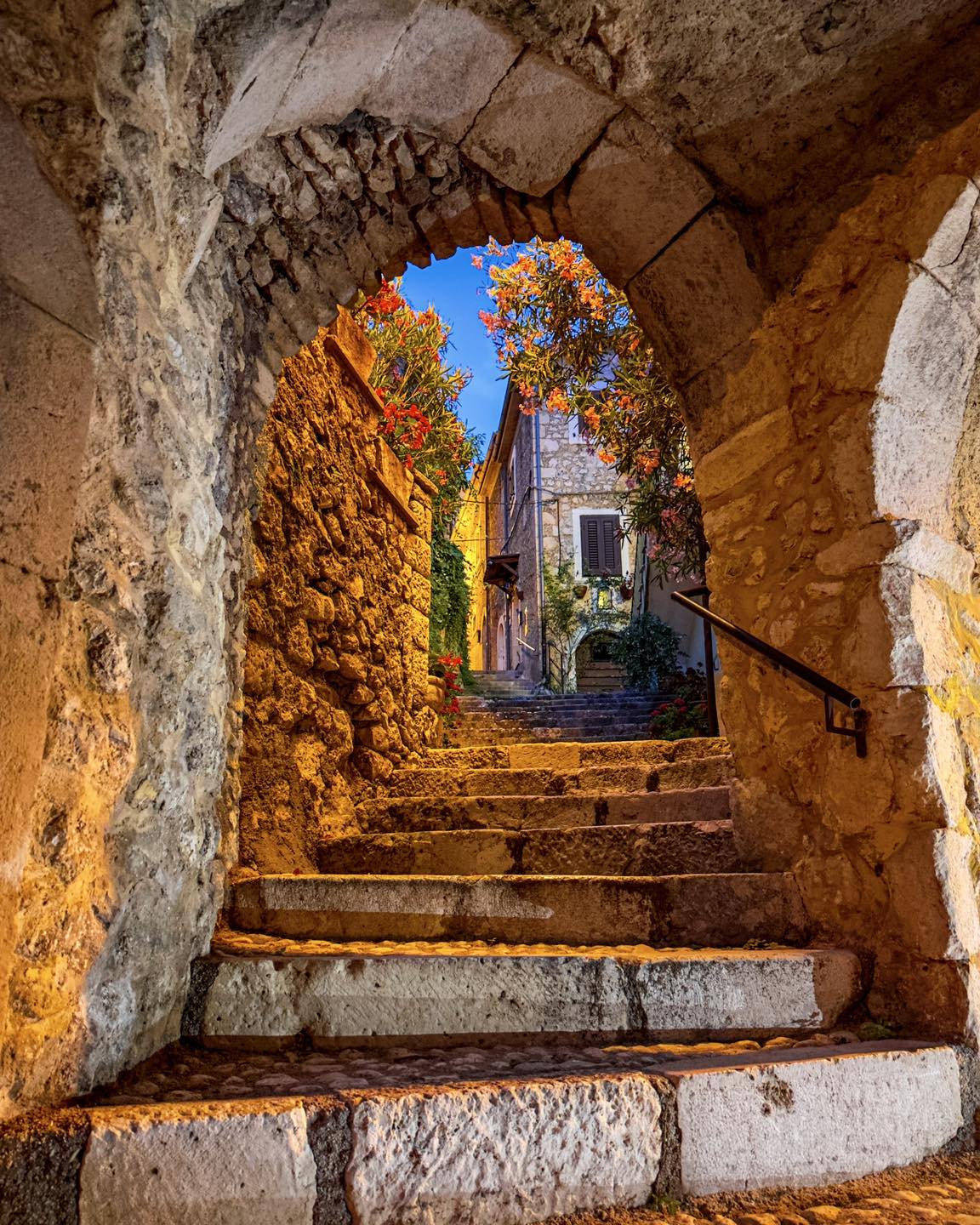
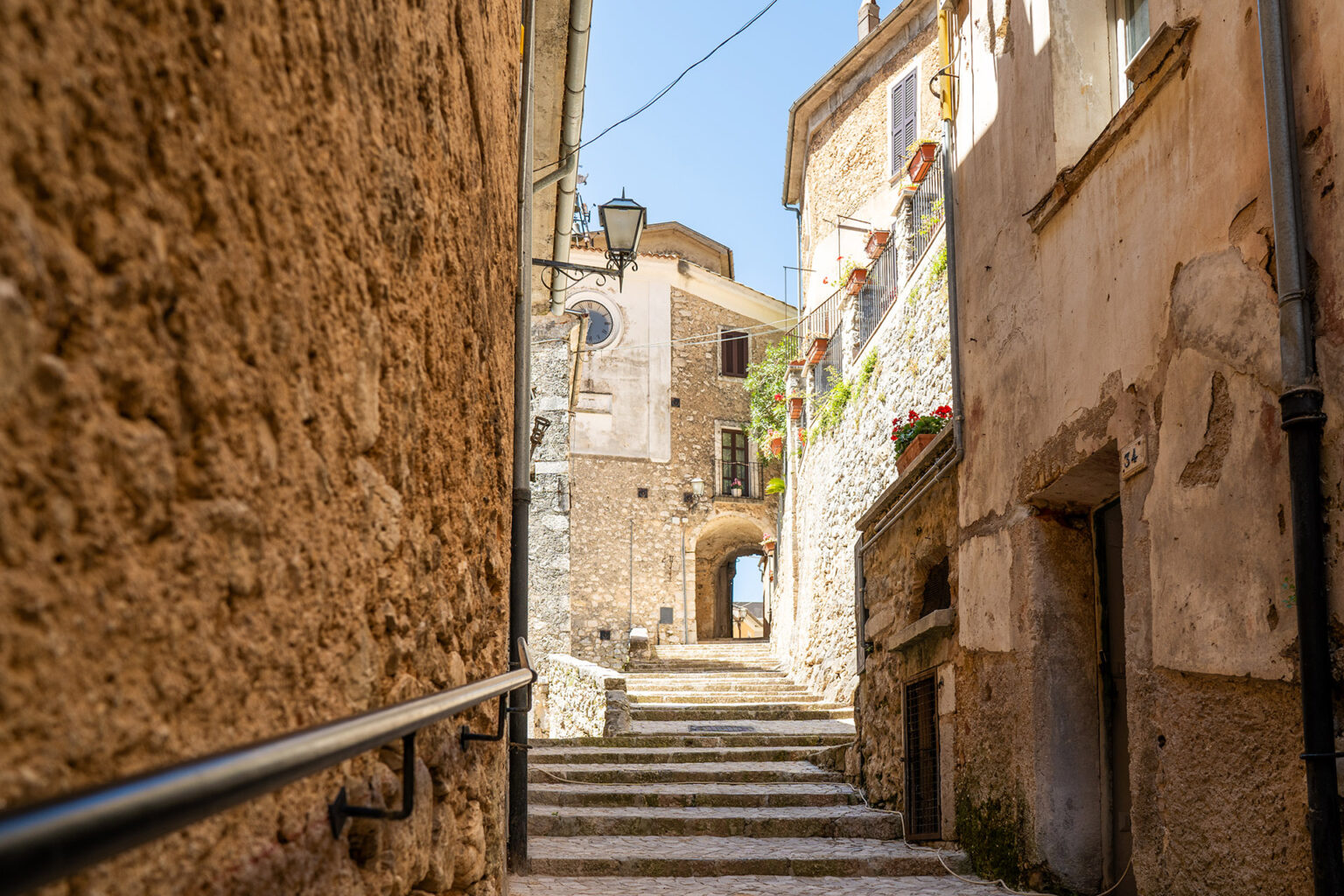
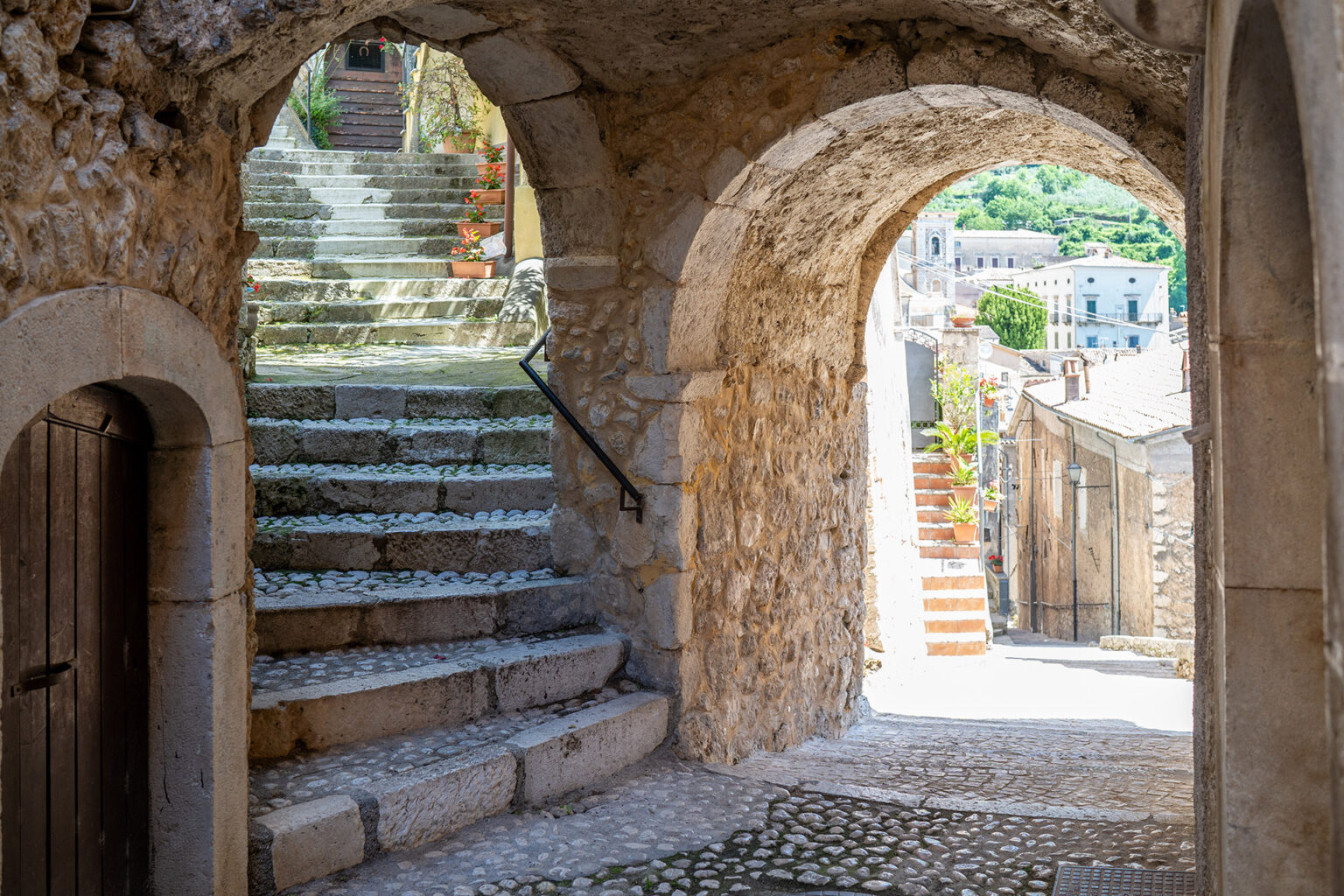
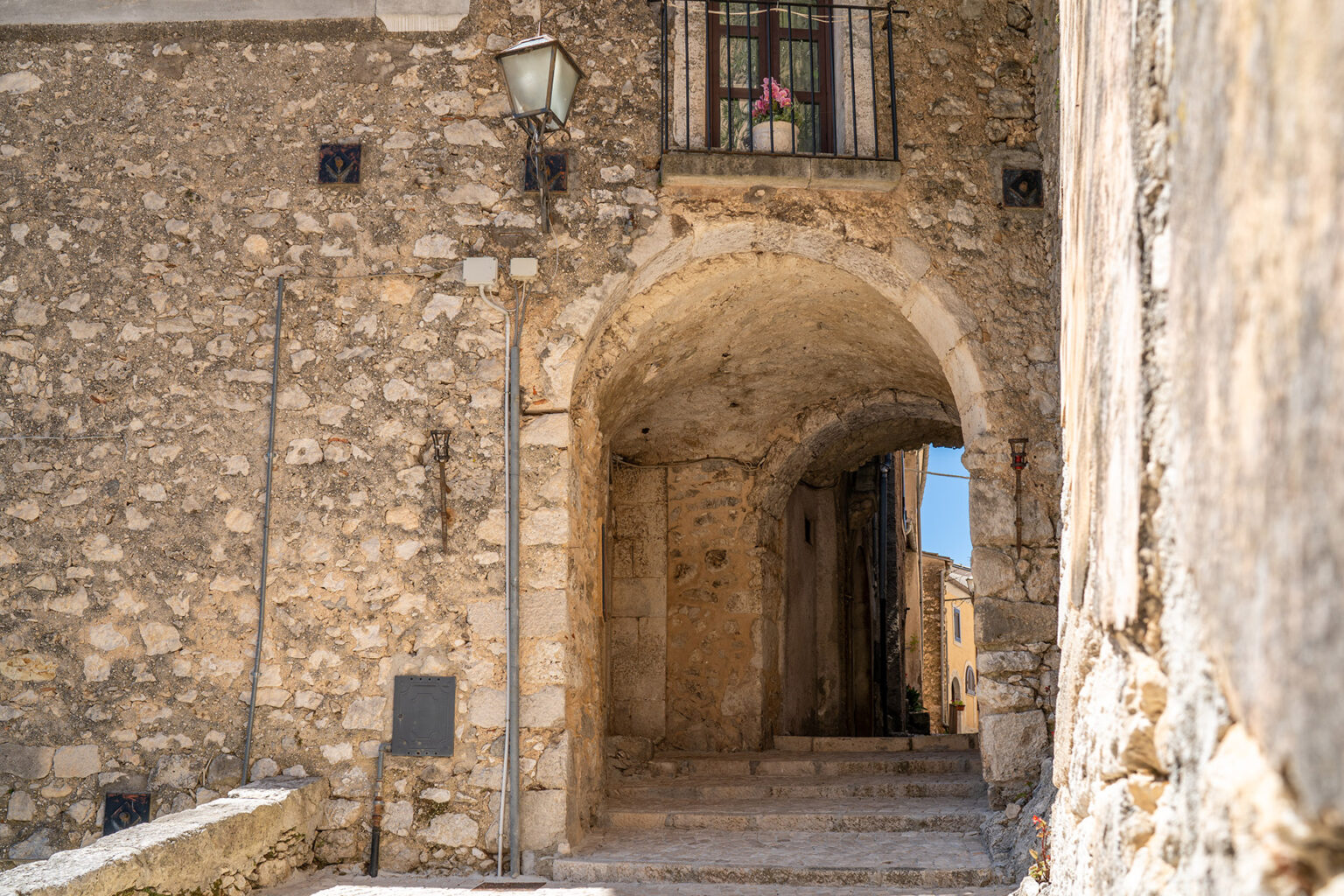
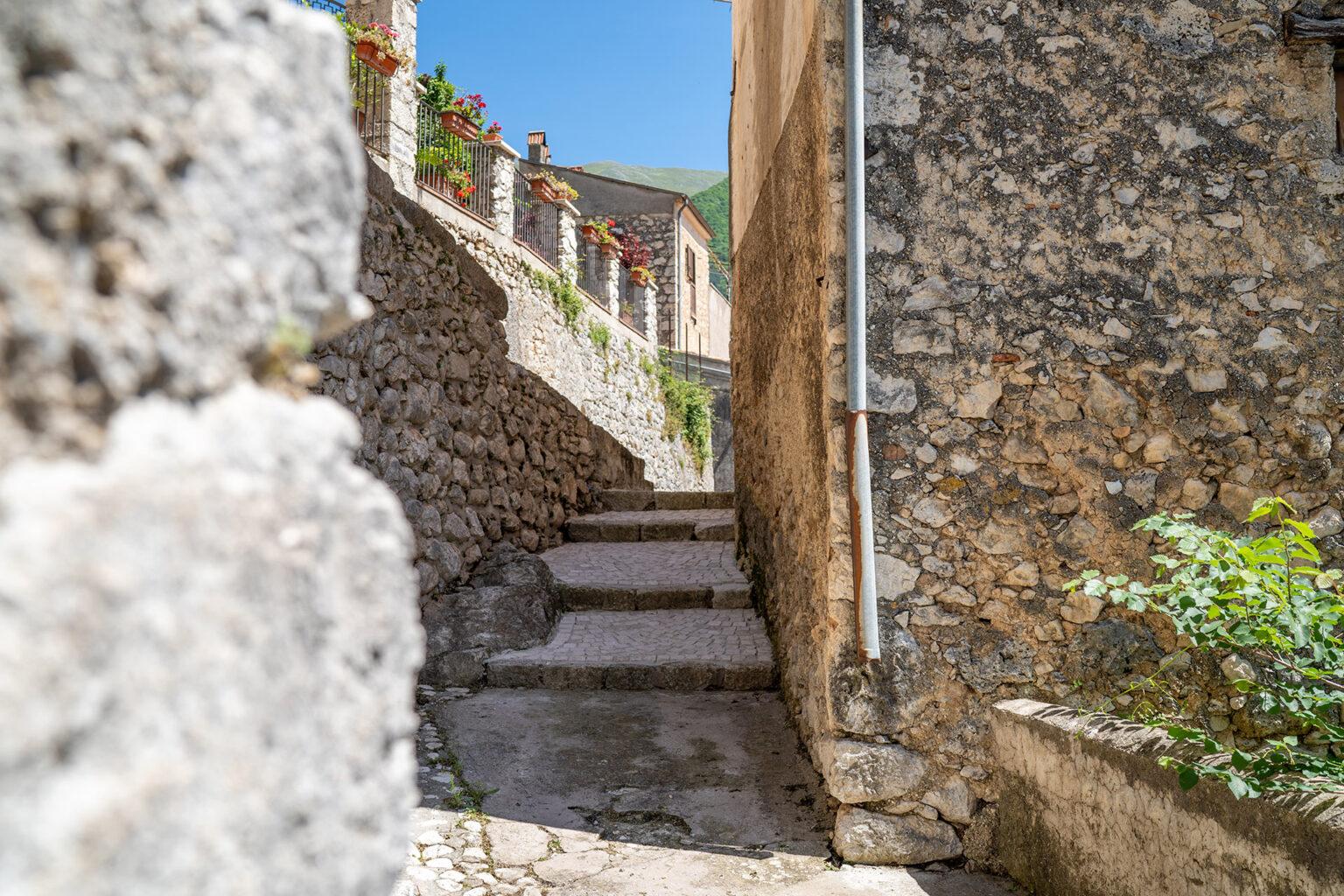
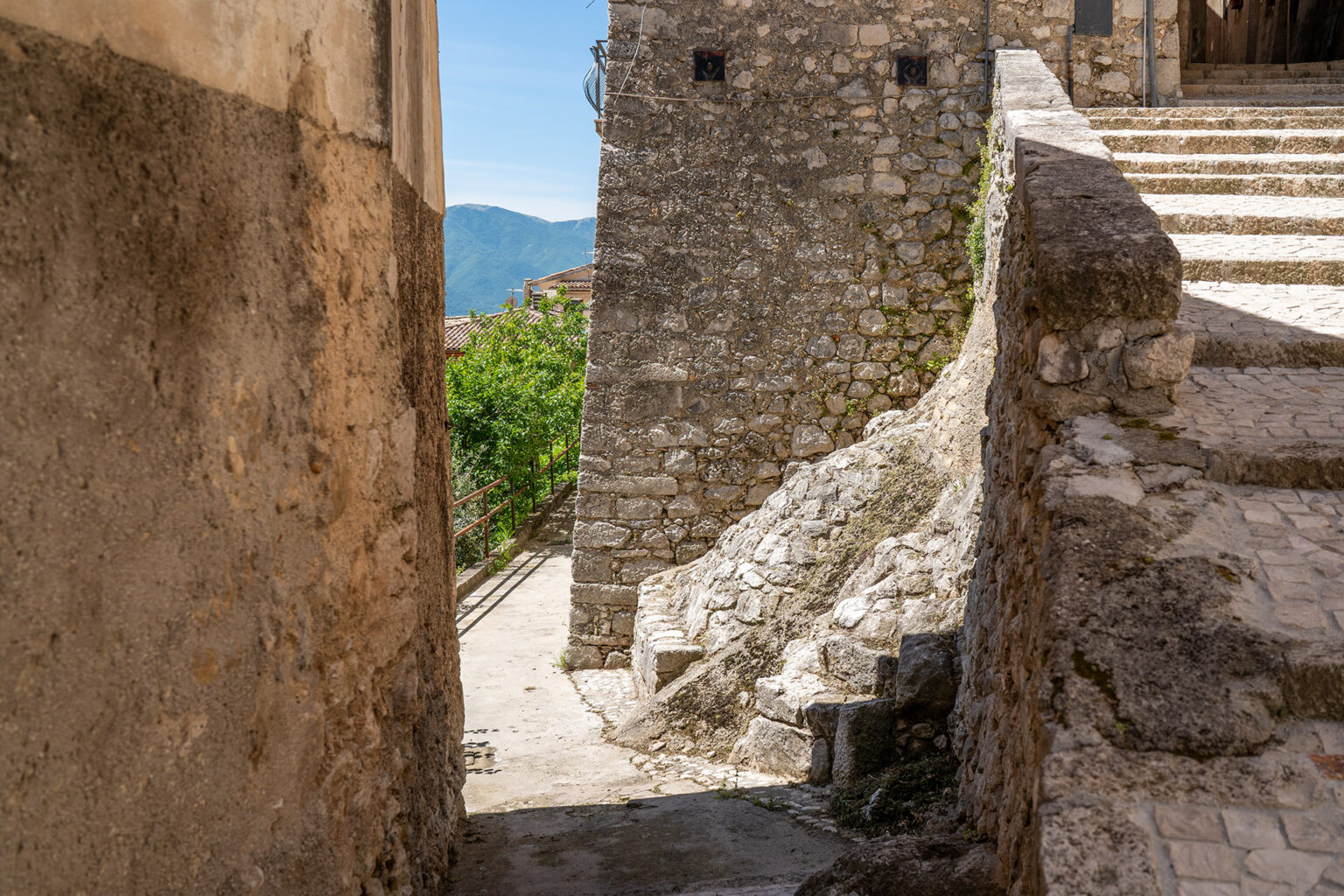
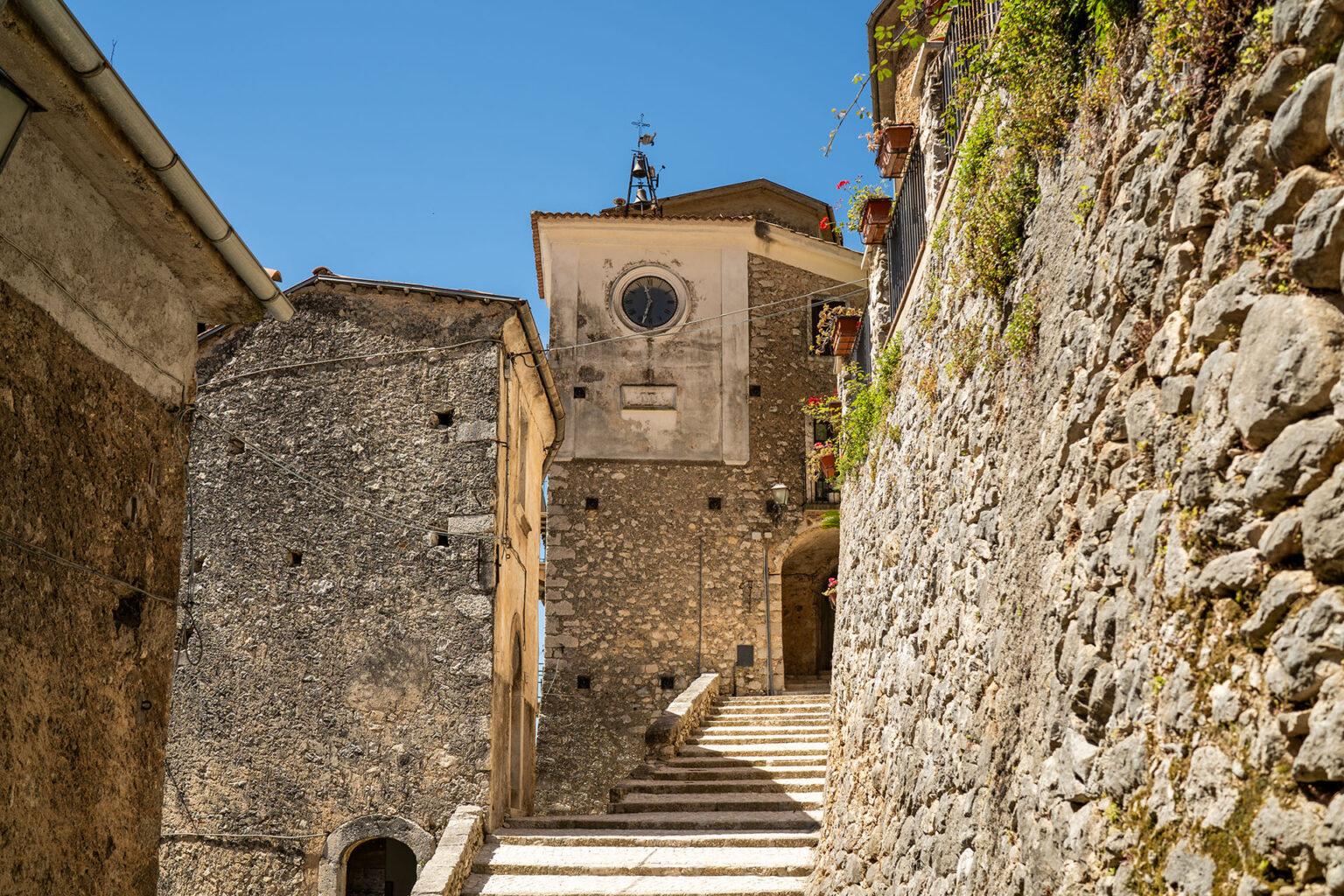
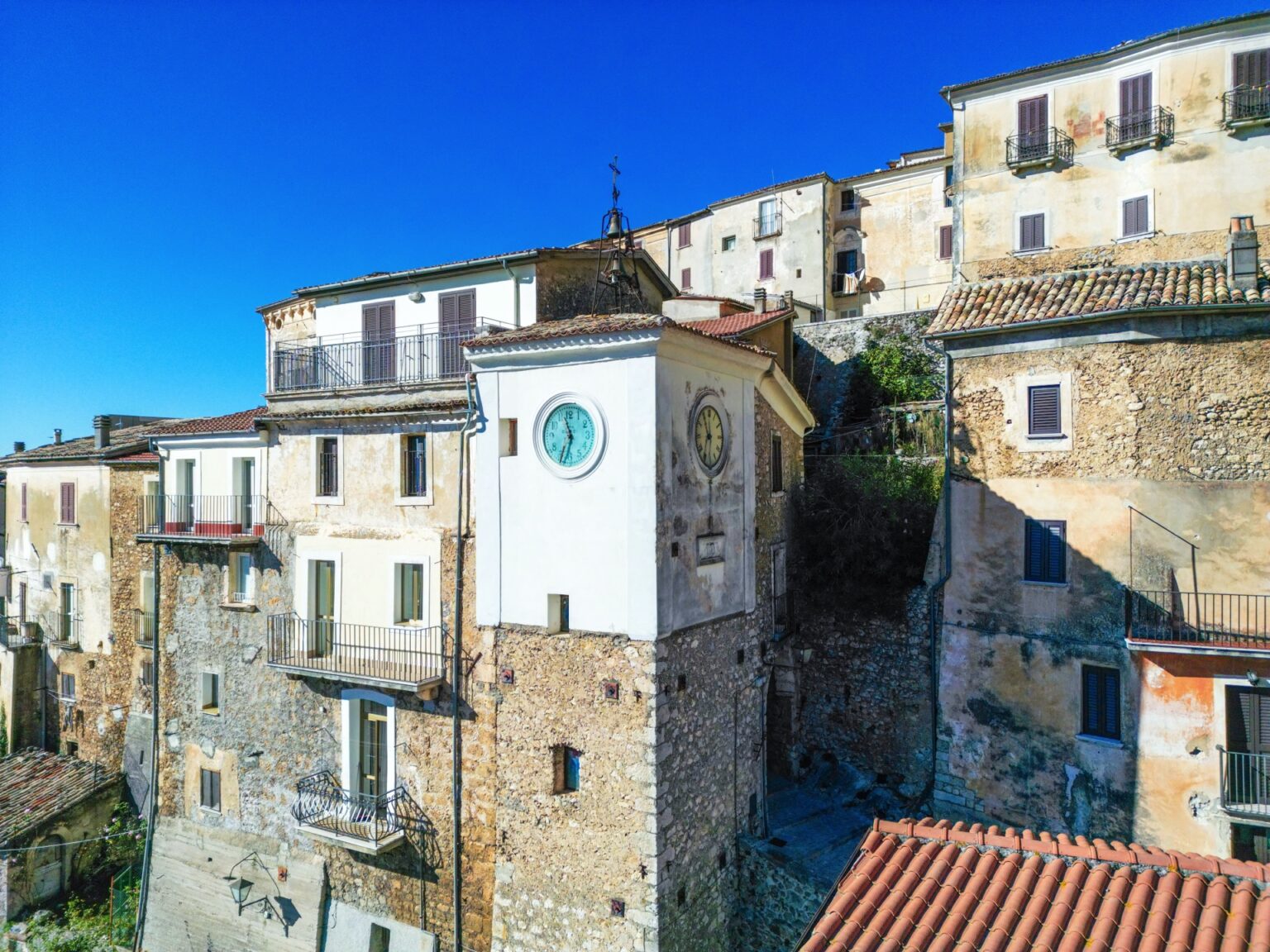
The Porta a Greco was built in the 14th century and became, together with the Porta a Ponente, the new entrance to the medieval town, thus responding to the changing needs for defense and expansion. The tower above the gate, originally crenellated, had a military function. The Porta a Greco, together with the Porta a Ponente (West Gate), closes the third round of walls: over the centuries they have been modified and transformed into terraced houses, leaning against each other, because they were effective in protecting against attacks and raids.
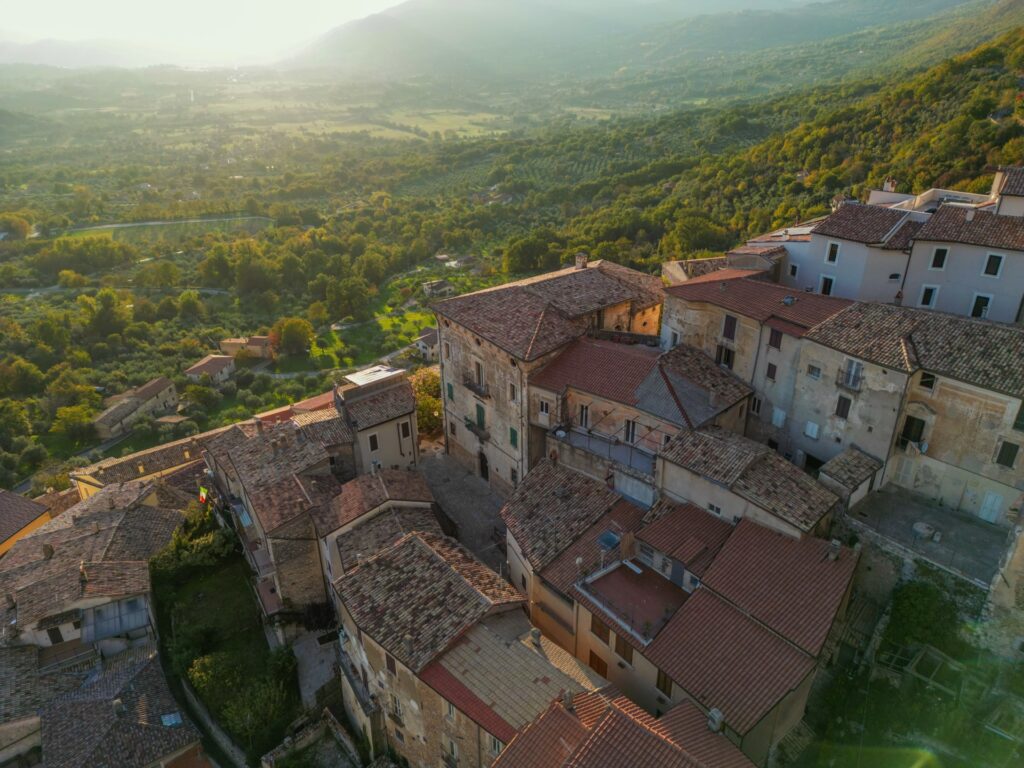
As the population grew in the Middle Ages and the dwellings in the village were no longer sufficient for the needs of the population, it was decided to build new houses beyond the walls. A new defensive wall was erected to defend the new dwellings. The development of the wall circles resembles that of the annual rings of trees. This mode of construction is typical of military architecture in mountain villages, particularly in the Apennines.
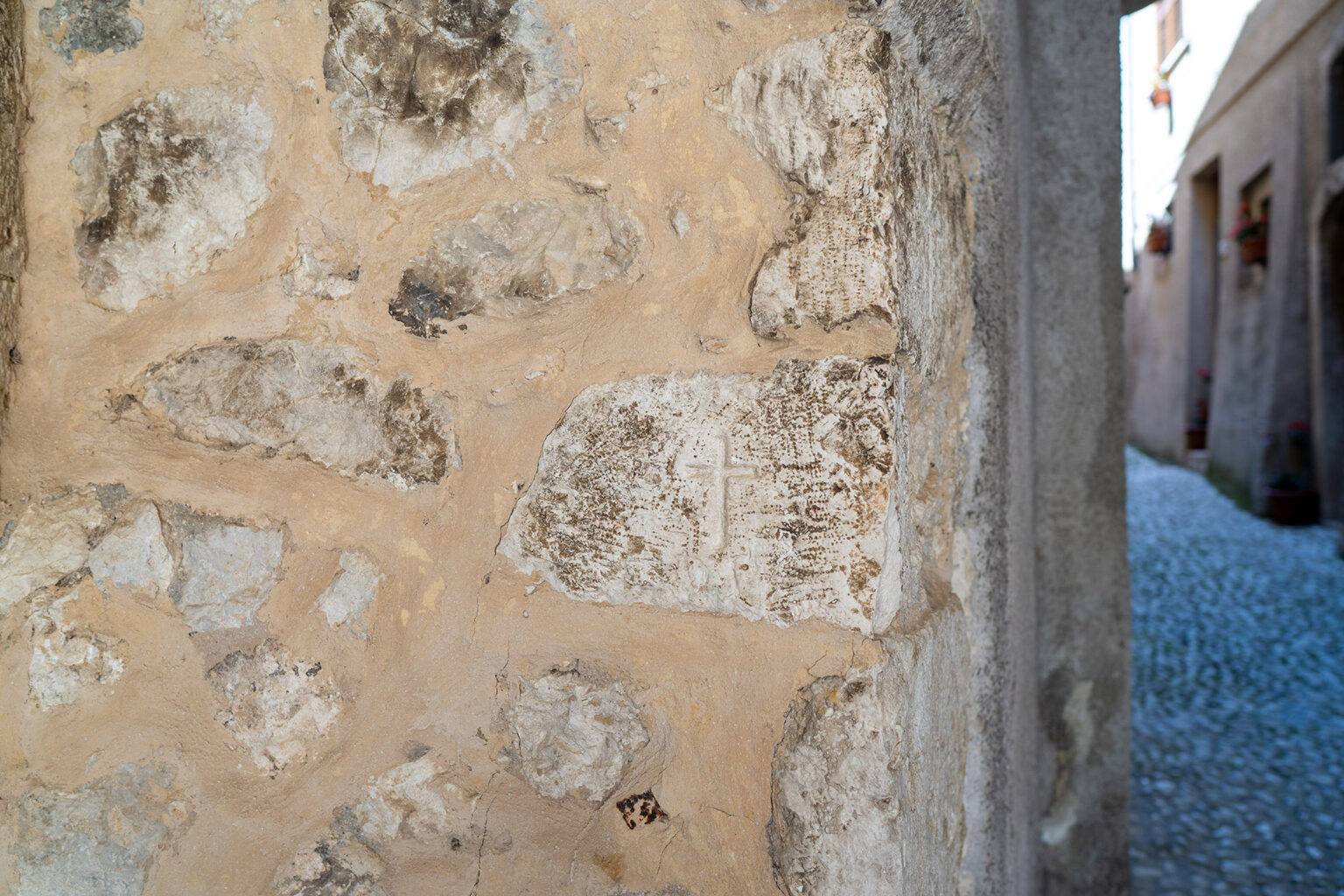
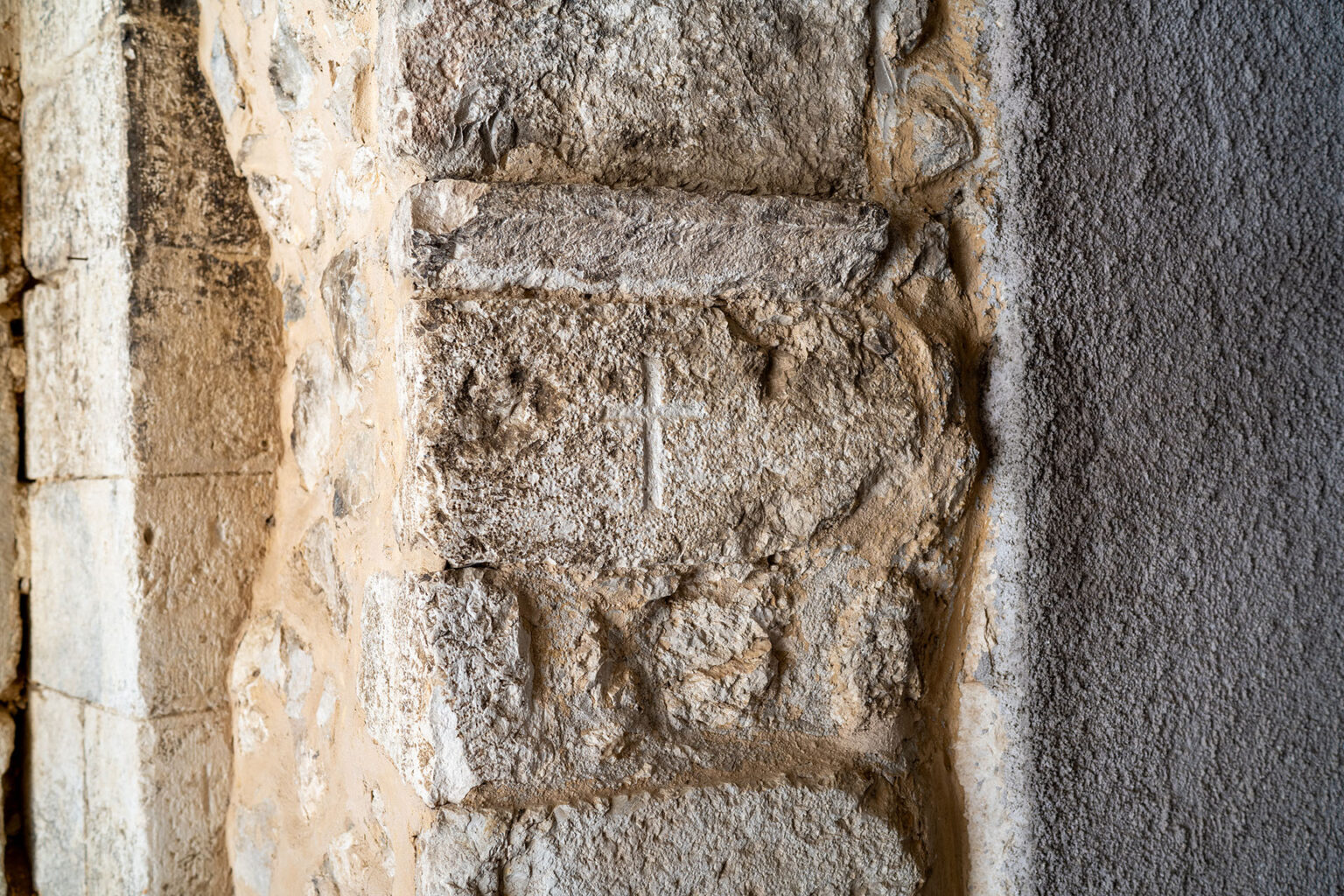
One legend has it that the three crosses carved under the gate commemorate some brigands who were hanged in the 16th century by Captain Antino Tocco, described by contemporaries as "persecutor of wicked people, thieves and bandits." Tocco's militia was made up for the most part of Sandonatesi who "handle arms well, brave and willingly fight with these sad people, when they meet with them, having with them par- ticular hatred, et inimicitia, for having sometimes the Banditi killed de le genti di San Donato."
 Italiano
  English
 Français
 Español
 Português